
Nutrition & Lifestyle Habits for Success on GLP-1 Weight Loss Therapy
GLP-1 medications like semaglutide and tirzepatide have transformed weight loss—but medication alone is not the full solution. Long-term success comes from combining these treatments with intentional nutrition and lifestyle habits.
Understanding how your body responds to weight loss is key. Obesity is not simply about willpower. It is a complex, chronic disease influenced by hormones, metabolism, environment, and behavior . That’s why a comprehensive approach leads to the best results.
Let’s break down what actually works.
1. Understand Your Body Is Working With You, and Sometimes Against You
When you lose weight, your body naturally tries to protect itself.
Metabolism slows down (adaptive thermogenesis)
Hunger hormones increase
Energy expenditure decreases
This is why weight loss plateaus happen—and why GLP-1 medications are helpful. They support appetite control and glucose regulation, helping counter these biological defenses .
👉 Takeaway: If progress slows, it’s not failure—it’s physiology.
2. Prioritize Protein & Nutrient-Dense Foods
GLP-1 medications reduce appetite, which means every bite matters.
Focus on:
Lean protein (chicken, fish, eggs, Greek yogurt)
Fiber-rich foods (vegetables, fruits, whole grains)
Healthy fats (avocado, nuts, olive oil)
Avoid:
Ultra-processed foods
Sugary drinks
Frequent fast food
A structured nutrition approach improves outcomes and supports long-term success .
👉 Goal: Nourish your body, not just eat less.
3. Create Consistent Meal Patterns
Skipping meals or grazing all day can slow progress.
Healthy habits include:
Eating at regular times
Avoiding late-night eating
Practicing mindful eating (no distractions)
Meal timing and structure play a major role in weight regulation and behavior change .
👉 Tip: Even if you’re not very hungry, aim for balanced, small meals.
4. Move Your Body: Even Without Intense Workouts
Exercise doesn’t have to be extreme to be effective.
Start with:
Walking
Light strength training
Daily movement (NEAT: non-exercise activity)
Physical activity improves:
Metabolism
Insulin sensitivity
Mental health
👉 Goal: Consistency over intensity.
5. Don’t Overlook Sleep & Stress
Sleep and stress directly affect weight loss.
Poor sleep can:
Increase hunger hormones (ghrelin)
Decrease satiety hormones (leptin)
Lead to weight gain
Chronic stress raises cortisol, which promotes fat storage.
👉 Target:
7–9 hours of sleep
Stress management (prayer, journaling, breathing, therapy)
6. Address the Root Causes (Not Just Calories)
Successful weight loss includes:
Mental health support
Identifying emotional eating triggers
Addressing social factors (time, access to food, finances)
Social determinants and lifestyle factors influence up to 80% of health outcomes .
👉 Reminder: Your environment matters just as much as your diet.
7. Set Realistic Expectations
Healthy, sustainable weight loss is:
5–10% of body weight initially
Not always linear
A long-term journey
Understanding the biology of obesity helps reduce frustration and improve adherence .
👉 Progress > perfection
Final Thoughts
GLP-1 medications are powerful tools—but they work best when paired with:
Smart nutrition
Consistent habits
Whole-person care
At Glowline Sisters Beauty and Wellness, we believe in treating the whole person, not just the scale.
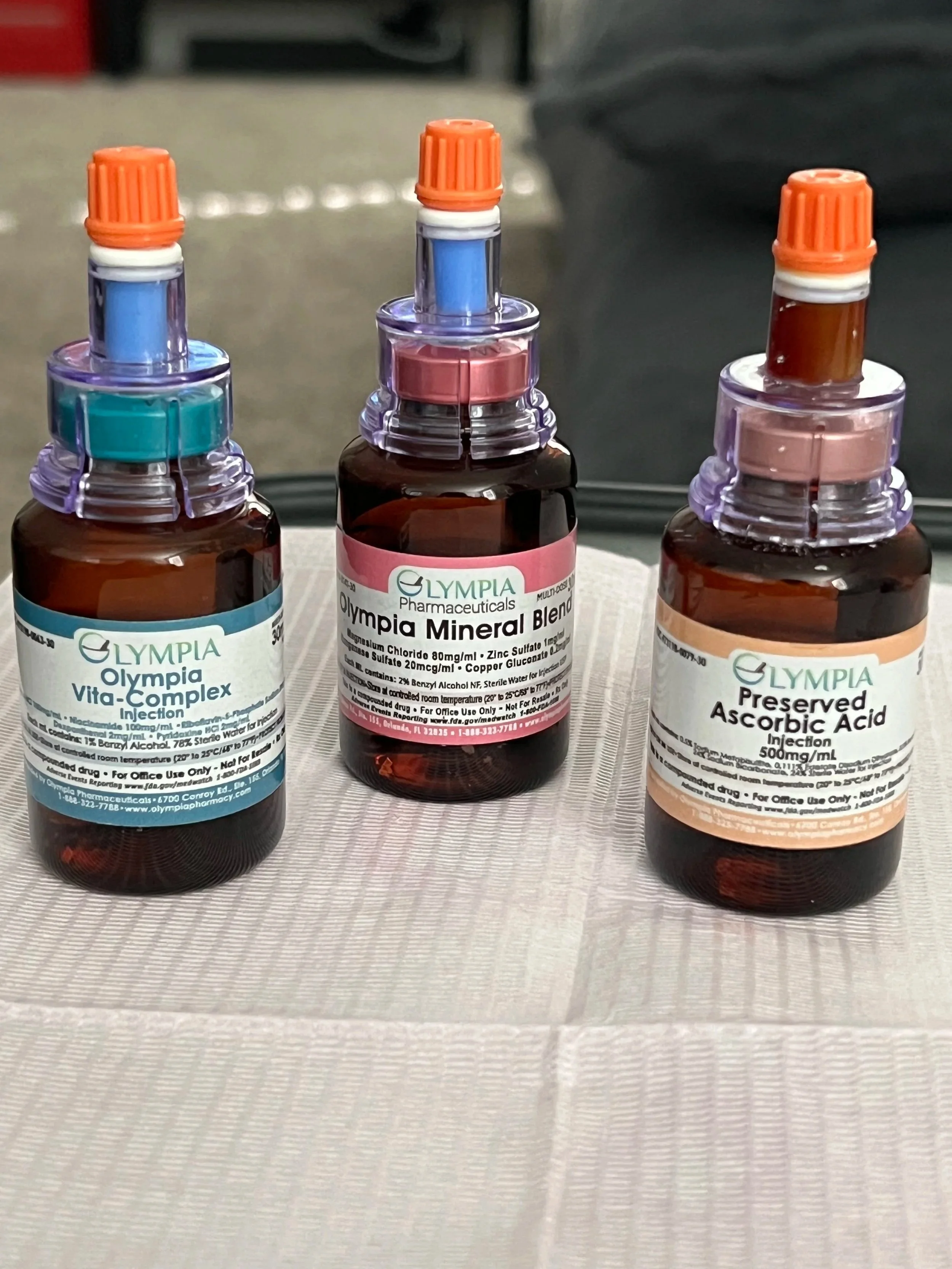
IV Therapy and Vitamins 101
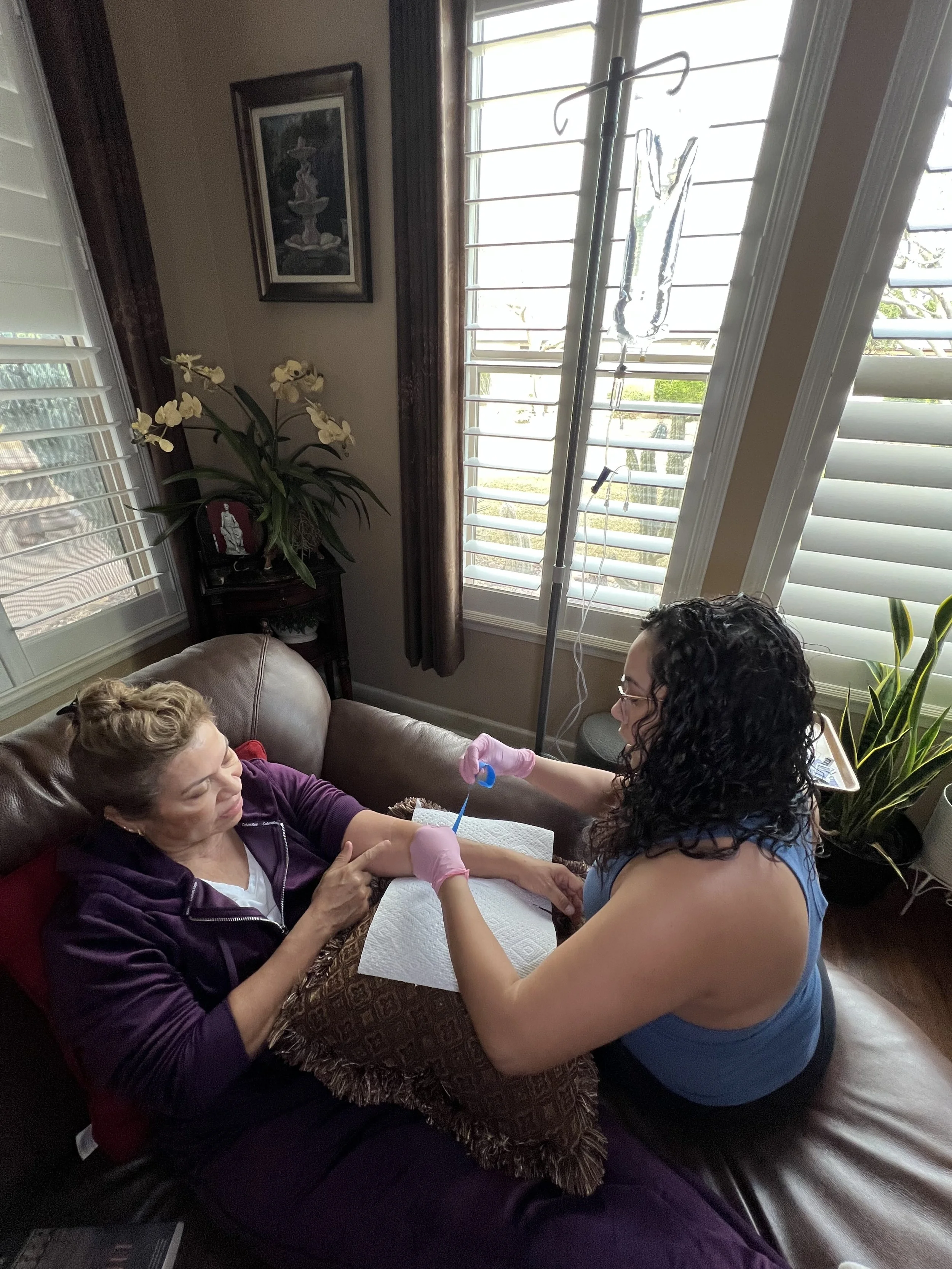
Intravenous (IV) nutrient therapy delivers vitamins, minerals, amino acids, and antioxidants directly into the bloodstream. Because nutrients bypass the digestive system, they may reach higher circulating levels compared with oral supplementation.
Many wellness clinics incorporate targeted nutrients into IV formulations to support hydration, energy metabolism, immune function, and overall wellness. The following are some of the most commonly used vitamins and nutrients found in IV nutrient therapies.
Vitamins and Nutrients Used in IV Therapy
Intravenous (IV) nutrient therapy delivers vitamins, minerals, amino acids, and antioxidants directly into the bloodstream. Because nutrients bypass the digestive system, they may reach higher circulating levels compared with oral supplementation.
Many wellness clinics incorporate targeted nutrients into IV formulations to support hydration, energy metabolism, immune function, and overall wellness. The following are some of the most commonly used vitamins and nutrients found in IV nutrient therapies.
Key Vitamins and Nutrients in IV Formulations
Vitamin C
Vitamin C is one of the most widely used nutrients in IV therapy due to its role in immune function and antioxidant protection.
What it does
Vitamin C supports several important processes in the body including:
Immune system function
Collagen production for skin, joints, and connective tissue
Protection against oxidative stress
Wound healing and tissue repair
Potential wellness benefits
Many individuals seek Vitamin C IV therapy for support with:
Immune health
Recovery after illness or stress
Skin health and collagen production
General antioxidant support
Vitamin C also plays a role in helping the body neutralize free radicals and support natural detoxification processes.
B-Complex Vitamins
B vitamins are essential for energy metabolism and nervous system function. IV B-complex formulations typically include B1, B2, B3, B5, B6, and B12.
What they do
B vitamins help the body:
Convert food into energy
Support brain and nervous system function
Produce red blood cells
Maintain healthy skin and metabolism
Potential wellness benefits
B-complex IV formulations may support:
Energy levels and fatigue reduction
Stress resilience and adrenal function
Cognitive clarity and mood balance
Healthy metabolic function
These vitamins work together to support cellular energy production and neurological health.
Glutathione
Glutathione is often referred to as the body’s “master antioxidant.”
It is naturally produced in the body and plays an important role in detoxification and cellular protection.
What it does
Glutathione helps the body:
Neutralize free radicals
Support liver detoxification pathways
Protect cells from oxidative stress
Support immune system activity
Potential wellness benefits
Glutathione IV therapy is commonly used for:
Antioxidant support
Skin health
Detoxification support
Immune function
Because glutathione levels may decline with stress, illness, and aging, some individuals seek supplementation through IV therapy.
Alpha Lipoic Acid (ALA)
Alpha Lipoic Acid is a unique antioxidant because it is both water-soluble and fat-soluble, allowing it to work throughout the body.
What it does
ALA supports:
Mitochondrial energy production
Antioxidant regeneration
Cellular protection from oxidative stress
Metabolic function
Potential wellness benefits
Alpha Lipoic Acid may help support:
Healthy energy metabolism
Nerve health
Antioxidant defense
Blood sugar balance
It is sometimes used in wellness therapies focused on metabolic support and neurological health.
NAD⁺ (Nicotinamide Adenine Dinucleotide)
NAD⁺ is a coenzyme found in every cell in the body and plays a critical role in cellular energy production.
What it does
NAD⁺ supports:
Cellular energy metabolism
DNA repair
Brain and nervous system health
Mitochondrial function
Potential wellness benefits
NAD⁺ therapy is often used to support:
Energy levels
Mental clarity and cognitive function
Healthy aging
Recovery from stress or fatigue
NAD⁺ levels naturally decline with age, which is why it has become a focus of longevity and wellness research.
L-Carnitine
L-Carnitine is an amino acid involved in transporting fatty acids into cells where they are used for energy production.
What it does
L-Carnitine helps the body:
Convert fat into usable energy
Support mitochondrial function
Maintain muscle and cardiovascular health
Potential wellness benefits
L-Carnitine is sometimes used in wellness protocols aimed at:
Energy metabolism
exercise recovery
metabolic health
cardiovascular support
It may also support individuals focused on active lifestyles and metabolic optimization.
Trace Minerals
Trace minerals such as magnesium, zinc, selenium, calcium, copper, and manganese play important roles in many biological processes.
What they do
These minerals help support:
Immune system activity
bone health
nerve function
antioxidant defenses
metabolic processes
Potential wellness benefits
Trace mineral IV blends may be used to support:
electrolyte balance
immune health
muscle function
recovery from physical stress
Maintaining balanced mineral levels is important for many physiological processes in the body.
Why IV Nutrient Therapy Is Used
Unlike oral supplements, IV therapy delivers nutrients directly into the bloodstream. This allows nutrients to bypass the digestive system and may provide more rapid availability within circulation.
IV formulations are typically designed to support specific wellness goals such as:
Hydration
Immune support
Energy metabolism
Recovery and performance
Skin and antioxidant support
Important Medical DisclaimerIV nutrient therapy is intended to support wellness and nutritional status. These therapies are not intended to diagnose, treat, cure, or prevent disease. Individual needs vary, and all therapies should be administered under the guidance of a qualified healthcare professional.
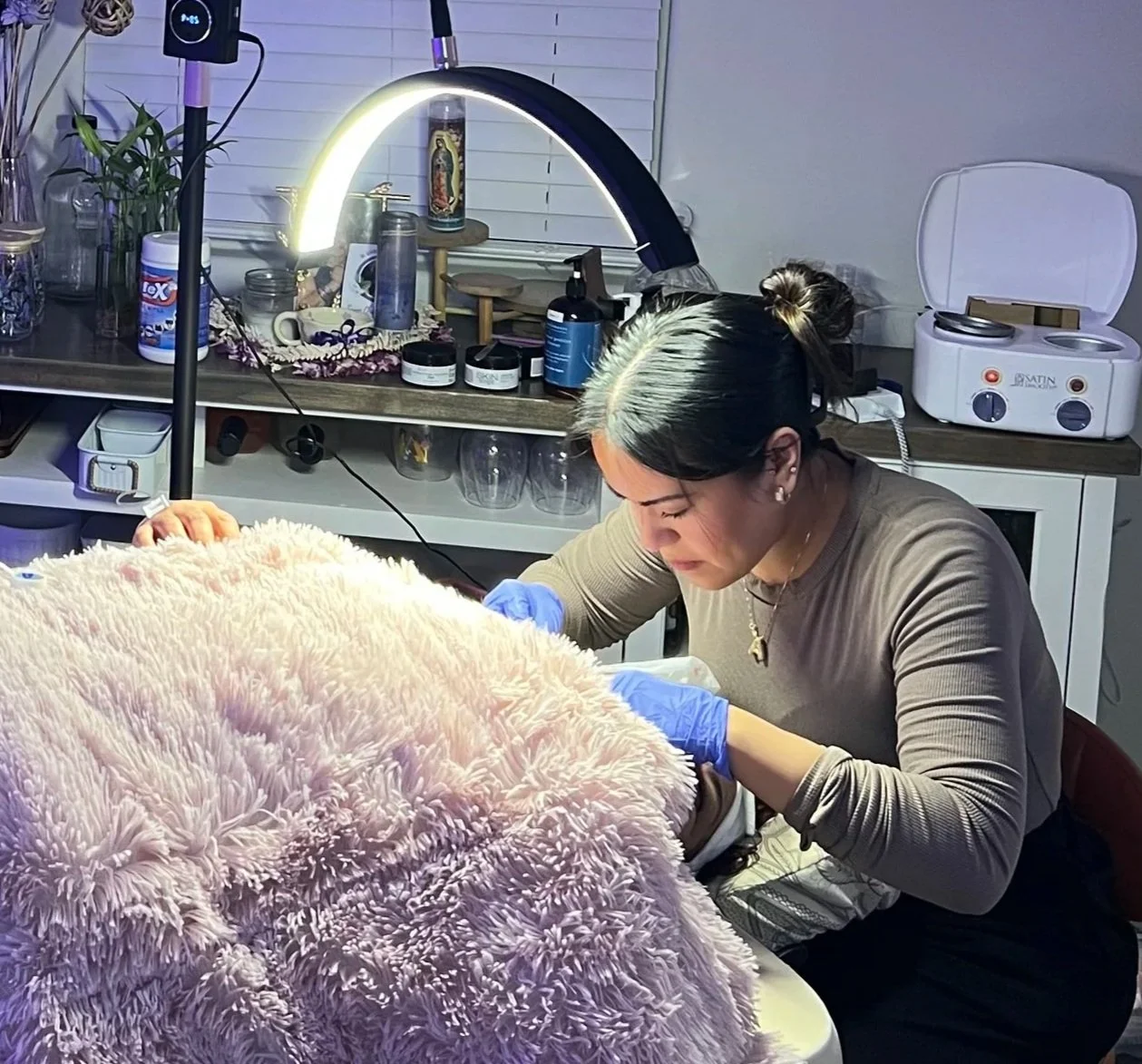
Microneedling Under Eyes: Benefits for Dark Circles, Wrinkles & Skin Rejuvenation
Microneedling for Under-Eye Rejuvenation
A Guide to Improving Dark Circles, Fine Lines, and Skin Texture
The skin around the eyes is one of the first areas to show signs of aging. Because this area is thinner and more delicate than the rest of the face, changes in collagen, hydration, and circulation can lead to visible concerns such as dark circles, fine lines, puffiness, and loose skin.
Microneedling has become a popular treatment option for improving the appearance of the under-eye area by stimulating the skin’s natural repair process and supporting collagen production.
In this guide, we’ll explore how microneedling works, what it can improve, and what patients should know before considering treatment.
What Is Microneedling?
Microneedling, also known as collagen induction therapy, is a minimally invasive procedure that uses very fine sterile needles to create controlled micro-injuries in the skin.
These tiny punctures stimulate the body’s natural healing response, which encourages the production of collagen and elastin. These two proteins are responsible for skin strength, elasticity, and structure.
As new collagen forms, the skin can become:
Firmer
Smoother
More evenly toned
Better able to retain moisture
This regenerative response is what makes microneedling beneficial for improving many common skin concerns.
Why the Under-Eye Area Shows Aging First
The under-eye area (also called the periorbital region) has unique structural characteristics that make it more prone to visible aging.
The skin here is thinner and contains fewer oil glands, which means it loses elasticity more quickly. Over time, collagen and elastin levels naturally decrease, causing the skin to become looser and more translucent.
When this happens, underlying blood vessels can become more visible, contributing to the appearance of:
Dark circles
Tear trough hollows
Fine lines
Wrinkles
Under-eye bags
Treatments that stimulate collagen can help strengthen this delicate skin.
Benefits of Microneedling for Under-Eye Concerns
Microneedling is commonly used to address multiple under-eye concerns at once because it improves overall skin quality.
Potential benefits include:
Reduced Fine Lines and Wrinkles
Collagen stimulation can help smooth small lines and creases that form around the eyes.
Improved Skin Thickness
As collagen rebuilds, the skin becomes slightly thicker and stronger, which can make underlying veins less visible.
Brighter Under-Eye Area
Improved circulation and skin renewal can reduce the appearance of dark circles and uneven pigmentation.
Reduced Puffiness
The treatment can help improve lymphatic circulation, which may reduce fluid retention and mild under-eye swelling.
Enhanced Skin Texture
Microneedling can create a smoother and more refined appearance to the skin around the eyes.
What Happens During an Under-Eye Microneedling Treatment?
A professional microneedling session typically includes several steps.
Skin preparation – The treatment area is cleansed and prepared.
Topical numbing cream – This helps minimize discomfort during treatment.
Microneedling procedure – A device with fine sterile needles creates controlled micro-channels in the skin.
Post-treatment serums – Hydrating or collagen-supporting products may be applied to support healing.
The procedure generally takes 20–30 minutes depending on the treatment area.
Because the under-eye skin is delicate, practitioners typically use shallower needle depths than other areas of the face.
What Concerns Can Microneedling Improve?
Microneedling under the eyes may help improve the appearance of:
Dark circles caused by thin skin
Fine lines and early wrinkles
Mild skin laxity
Uneven skin tone
Textural irregularities
However, it is important to understand that not all dark circles have the same cause. For example, genetic pigmentation, allergies, or significant fat loss may require different treatment approaches.
A consultation helps determine whether microneedling is an appropriate option.
How Many Treatments Are Usually Needed?
Because microneedling works by stimulating collagen production, improvements happen gradually.
Most individuals benefit from a series of treatments, commonly spaced about 4–6 weeks apart.
Collagen remodeling continues for several weeks after each session, meaning results can gradually improve over time.
Safety Considerations
Microneedling is generally considered a minimally invasive cosmetic procedure when performed by trained professionals using sterile equipment.
However, the under-eye area requires special care because of its thin skin and proximity to the eye.
Possible temporary side effects may include:
Mild redness
Swelling
Sensitivity
Temporary dryness
More serious complications are rare but can occur if treatments are performed incorrectly or without proper sterilization.
For this reason, it is recommended that microneedling treatments be performed by trained medical or aesthetic professionals rather than at home devices.
Aftercare and Recovery
Recovery from microneedling is typically minimal.
After treatment, patients are usually advised to:
Avoid sun exposure for several days
Use gentle skincare products
Apply hydrating serums or moisturizers
Avoid strong exfoliants or retinoids for several days
Most redness resolves within 24–48 hours, although the skin may remain slightly sensitive for a few days.
Is Microneedling Right for Everyone?
Microneedling may not be recommended for individuals who have:
Active skin infections
Severe inflammatory skin conditions
Certain bleeding disorders
Recent cosmetic procedures in the area
A personalized evaluation helps determine whether the treatment is appropriate for your skin type and goals.
Final Thoughts
The delicate skin under the eyes often reflects the earliest signs of aging, fatigue, and environmental stress. Microneedling offers a minimally invasive way to support the skin’s natural regenerative processes by encouraging collagen production and improving skin quality.
When performed by trained professionals and combined with proper skincare, microneedling may help improve the appearance of fine lines, dark circles, and overall skin texture in the under-eye area.
As with any aesthetic treatment, a professional consultation can help determine the most appropriate approach for your individual concerns.

BPC-157 Benefits | Gut Healing, Injury Recovery & Wellness
BPC-157 Benefits | Gut Healing, Injury Recovery & Wellness
BPC-157 is one of the most talked-about peptides in regenerative wellness and recovery medicine.
Derived from a naturally occurring protein in the stomach, BPC-157 (Body Protection Compound) has been studied for its potential to support tissue repair, reduce inflammation, and maintain gastrointestinal health.
Because of these properties, it has gained attention among clinicians focused on injury recovery, digestive health, and longevity optimization.
What Is BPC-157?
BPC-157 is a synthetic peptide derived from a protein found in gastric juices.
Research suggests it may influence biological pathways involved in:
• tissue repair
• inflammation regulation
• blood vessel formation
• gut lining protection
These properties make it a compound of interest in regenerative and integrative medicine protocols.
Potential Benefits of BPC-157
Gut Health Support
BPC-157 is being researched for its ability to help maintain the integrity of the gastrointestinal lining.
Potential applications being studied include:
• gut inflammation support
• digestive health optimization
• gut barrier function
Injury Recovery
Research has explored BPC-157’s potential role in supporting:
• ligament repair
• muscle recovery
• tendon healing
Because of this, it is often discussed in sports recovery and regenerative protocols.
Anti-Inflammatory Effects
BPC-157 may influence inflammatory pathways in the body, potentially supporting:
• reduced inflammation
• improved tissue healing
• recovery from chronic irritation
Oral BPC-157
Oral formulations of BPC-157 are increasingly used in digestive health protocols, where they may support gut lining integrity and gastrointestinal wellness.
These protocols are typically guided by a clinician to ensure appropriate use.
Who May Consider BPC-157 Protocols?
Individuals interested in BPC-157 protocols may include those seeking support with:
• digestive health
• injury recovery
• inflammation balance
• overall wellness optimization
Don’t worry about sounding professional. Sound like you. There are over 1.5 billion websites out there, but your story is what’s going to separate this one from the rest. If you read the words back and don’t hear your own voice in your head, that’s a good sign you still have more work to do.
Be clear, be confident and don’t overthink it. The beauty of your story is that it’s going to continue to evolve and your site can evolve with it. Your goal should be to make it feel right for right now. Later will take care of itself. It always does.